Hand and Honey: Living Alpine Traditions of Slovenia
Today we journey into woodcraft, beekeeping, and other traditional Alpine arts in Slovenia, following forest paths to workshops, meadows to beehouses, and mountain dairies to village fairs. Meet gentle Carniolan bees, hear spruce shavings whisper under steel, and feel hayracks frame the wind. Expect practical insight, stories from makers, and invitations to participate respectfully, learn directly, and keep these living skills vibrant by sharing, subscribing, and returning with curiosity and care.
Where Trees Become Tools and Stories
Across Slovenia’s northern valleys, spruce, larch, and beech do more than shelter trails; they become bowls, shingles, sleds, and quiet spoons that remember the hand that shaped them. Sustainable felling in winter, patient seasoning under eaves, and small workshops warmed by stoves keep knowledge intimate and precise. A Ribnica carver jokes with a child about reading grain, letting the knife listen before the wrist decides.
The Gentle Buzz That Shapes a Landscape
In Slovenia, beehouses painted like smiles punctuate meadows where the Carniolan honey bee thrives with calm efficiency and winter resilience. Wooden hives stand under long roofs, panels telling parables and jokes, while keepers remember Anton Janša’s lessons. Between linden bloom and alpine thyme, honey gathers stories, and stewardship means planting, teaching, and working with weather rather than against it.
Apis mellifera carnica is prized for gentleness, thrift, and explosive spring buildup that still listens carefully to nectar flow. Their grey, silky bands make a drifting cloud that rarely stings if respected. Slovenian keepers favor vertical hives in colorful houses, managing swarms with patience, shade, and timely supering, turning floral diversity into varietal honeys that taste like maps and seasons.
Painted hive panels carry saints, tricksters, weddings, and cautionary pranks, so even a child delivering smoke remembers a tale with each inspection. Faded originals rest in Radovljica’s Beekeeping Museum while replicas keep fields bright. Artists still repaint missing stories, matching pigments and humor, because culture thrives where bees hum and people pause long enough to smile, wonder, and remember.
Morning Fires and Evening Stars in the Dairy Hut
Daylight arrives with milking, straining, and a quick check of yesterday’s wheel on spruce boards. Between chores, a pocket knife tidies a spoon handle or repairs a strap. Stories collect with whey: storms avoided, wolves only heard, songs tested against echoing cliffs. Guests who carry silence and help carry wood receive lessons warmer than any broth.
Curds, Cloth, and the Dance of Patience
Bovški sir, Tolminc, and Trnič ask for temperatures felt more than read, curd cuts clean as mountain shade, and time to breathe between pressings. Wheels rest on wooden planks that trade quiet flavors from hut to cheese. Tasting becomes a map of altitude and effort, reminding travelers that craft is a dialogue slow enough for gratitude to answer fully.
Architecture That Breathes with Wind and Weather
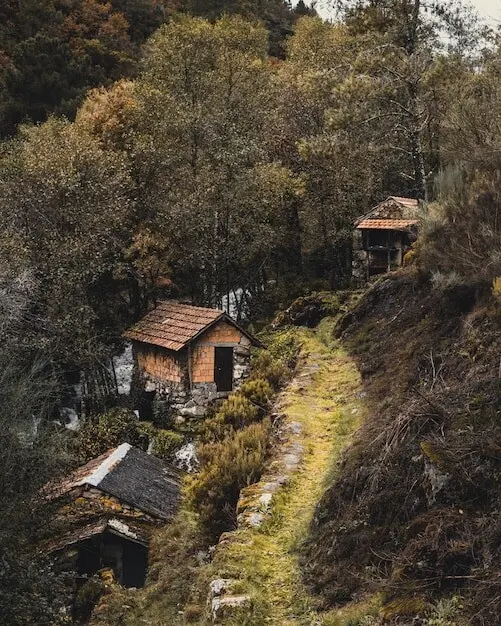
Villages wear wood and stone like useful clothing: beehouses lined like libraries, granaries on stilts, and hayracks casting ladders of shadow across fields. Shingle roofs overlap like scales, shrugging snow while letting smoke wander. Dry-stone walls stitch slopes together without mortar, trusting gravity and care. Restoration work becomes choreography, teaching patience, teamwork, and reverence for what shelters and frames daily life.

Sound, Skill, and Celebration
Craft breathes through music, fairs, and lessons that begin with watching and end with steady hands. Alpine spruce becomes instruments, while squares fill with stalls and fiddles on summer evenings. Makers welcome curiosity that respects pace and safety. Photographs come after questions, and questions come after noticing, because culture survives best when attention slows, smiles widen, and gratitude lingers.
From Alpine Spruce to a Violin’s Breath
Tonewood cutters hike for trees that grew straight and slow on cold slopes, splitting billets by hand to keep fibers whole. Years in the rafters season sound before the first gouge sings. Luthiers in Ljubljana and beyond coax plates that shimmer under bow, honoring forests and teachers with every shaving, every brace, and the hush before the opening note.
Festivals Where Hands Take Center Stage
Visit the Ribnica fair for stacked ladles, carved toys, and laughter under tents, or circle World Bee Day events where keepers pour tastes of linden and forest honey. Demonstrations make technique visible, turning mystery into invitation. Children find safe tasks, adults learn patience, and everyone leaves with pockets full of questions, flavors, and the quiet urge to try.
Plan a Visit that Leaves Only Footprints and Smiles
Ask permission before photographing faces or workshops, mind fences, and never open a hive uninvited. Keep food sealed, follow marked trails, and give livestock generous space. If you buy, carry cash for rural stalls. Respect quiet hours, pack out trash, and learn one local greeting, because courtesy travels farther than any car, bus, or plane you’ll ride this year.
Support that Keeps Doors Open and Kilns Warm
Fair prices let makers choose apprentices over shortcuts, beekeepers plant forage, and blacksmiths fire for demonstrations. Commission repairs instead of replacements when possible, and ask for provenance notes to carry stories forward. Subscribe to updates, share responsible travel tips, and donate to museum programs. Support becomes legacy when it funds patience, curiosity, and the next set of steady hands.
Join the Circle: Comment, Subscribe, Return
We’d love your questions, workshop memories, or beehive photos from Slovenian valleys and beyond. Tell us which craft you tried, what surprised you, and who taught you a better grip. Subscribe for maker interviews, travel routes, and seasonal advice. Invite friends who care about forests and bees, and together we’ll keep hands busy, mouths sweet, and villages lively.
Your Path into the Workshops and Meadows
Every visit benefits from forethought: seasons change access, hive temperament, and workshop schedules. Begin with museums that interpret safely, then reach out to artisans who welcome learners. Travel slowly, buy directly, and keep promises to return. When you share photos, include names; when you taste honey, note flowers; when you breathe resin, remember trees grow on patience and reciprocity.

All Rights Reserved.